Ukrainian drones have struck nearly every major Russian refinery. Which facilities have yet to be hit?
Which major Russian refineries Ukraine has already struck
- “Bashneft-Ufaneftekhim,” Ufa
- Kirishinefteorgsintez (“Kinef”), Leningrad region
- “Lukoil-Volgogradneftepererabotka,” Volgograd
- “Lukoil-Nizhegorodnefteorgsintez,” Nizhny Novgorod region
- “Lukoil-Permnefteorgsintez,” Perm
- Moscow Refinery, Moscow
- Novokuybyshevsk Refinery, Samara region
- Ryazan Refinery, Ryazan
- TANECO (“Tatneft”) and TAIF-NK, Nizhnekamsk
- Tuapse Refinery, Tuapse
- Tyumen Refinery, Tyumen
- “Yaroslavnefteorgsintez” (“Slavneft-YANOS”), Yaroslavl
Which major Russian refineries Ukraine has not yet struck
- Omsk Oil Refinery, Omsk
- Angarsk Petrochemical Company, Irkutsk region
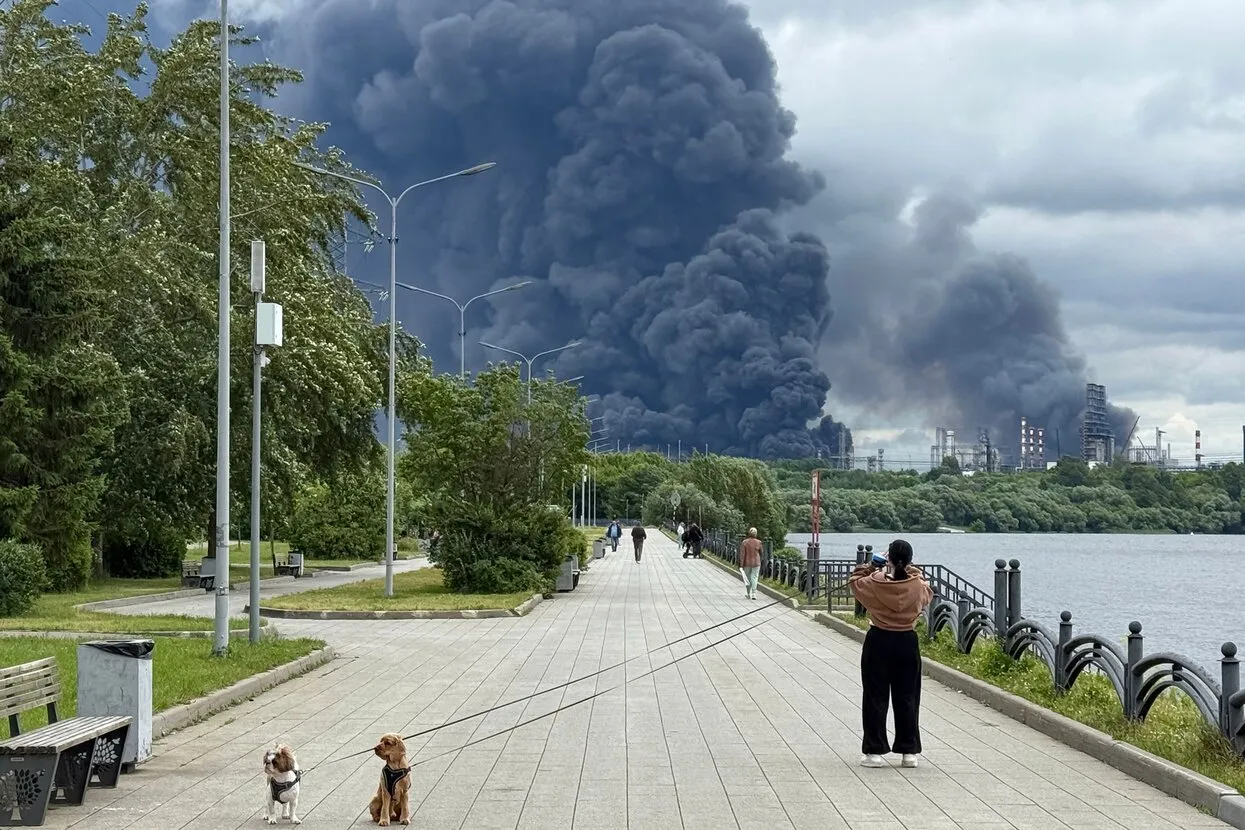
Ukrainian forces have been systematically targeting Russian oil refineries. By the end of May 2026, the Reuters news agency reported, not a single major refinery in the European part of Russia had escaped a Ukrainian drone attack. Many have been hit multiple times. The strikes have forced plants to cut or halt production, setting off a large-scale fuel crisis across the country.
As of June 29, only two facilities among Russia’s largest by refining capacity had not been struck — both beyond the Urals. One of them, the Omsk Oil Refinery, is the largest in Russia overall.
The Omsk region has banned fuel sales in canisters and capped gasoline purchases at 40 liters per fill-up. Irkutsk region declared a state of heightened readiness in June over the gasoline crisis.
Ukrainian forces struck a military airfield in Irkutsk region in June 2025 as part of an operation called “Spiderweb.” No other strikes on the region have been reported. On June 10, Omsk region issued a drone attack alert for the first time since the start of the full-scale war. No drones were reported shot down that day, and no strikes on any targets were reported.
Ukrainian drones have also not reached refineries in the Russian Far East and Eastern Siberia, though those facilities lack the capacity to meet the region’s fuel needs.
At Meduza, we are committed to transparency about our use of artificial intelligence in the newsroom. The story you’re reading was written by one of our living, breathing journalists and translated from Russian using an AI model configured to follow our strict editorial standards. This translation process is the result of extensive testing and refinements to ensure our English-language coverage is timely and accurate. A Meduza editor reviews every draft before publication.
If you find any errors in this translation, please contact us at reports@meduza.io.
To read Meduza’s exclusive content in English, please subscribe to our newsletter.
Meduza