Russia’s Central Bank chief disappears from public view as resignation rumors swirl; one report links her future to fears of border closures and martial law
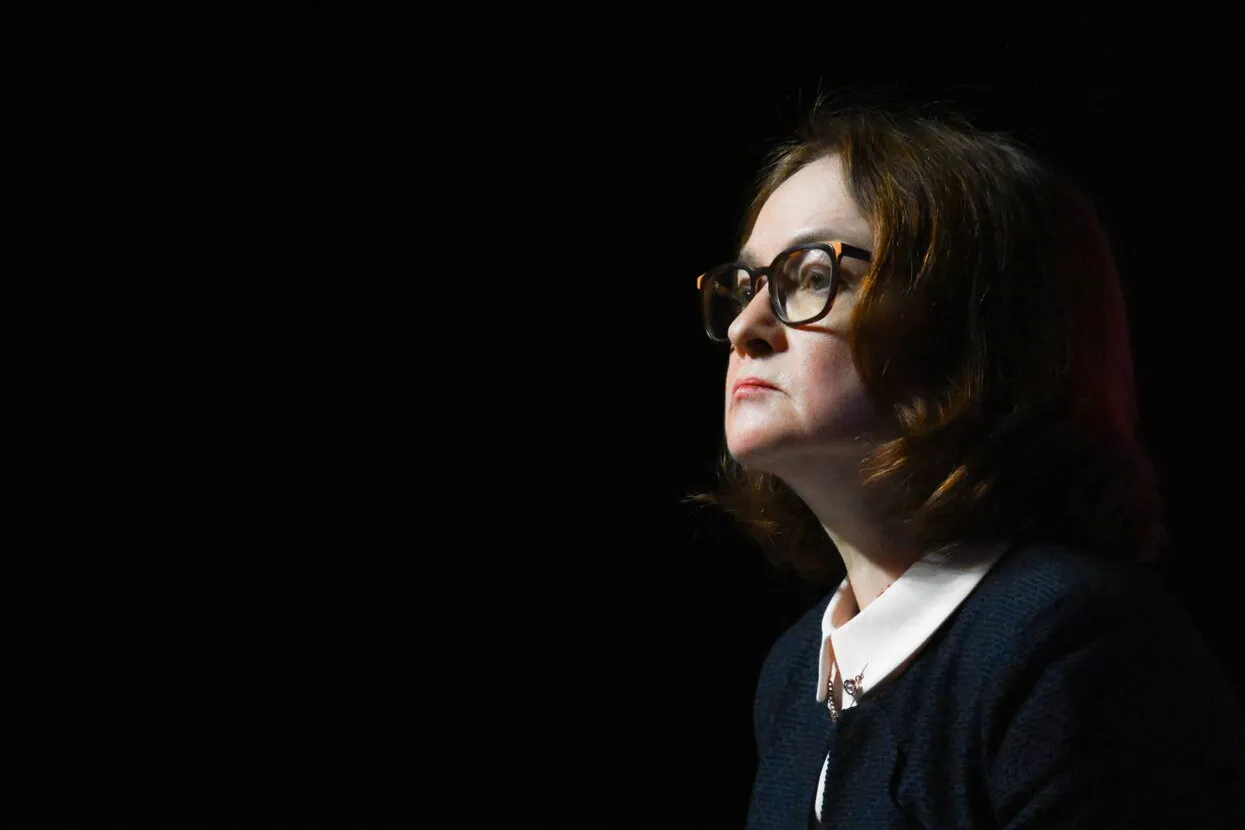
Elvira Nabiullina, Russia’s central bank governor, has not been seen in public in more than a week. She missed the St. Petersburg International Economic Forum (SPIEF) on June 4, a National Association of Securities Market Participants (NAUFOR) conference on June 9, and a June 10 meeting with Vladimir Putin where the president discussed inflation and the key interest rate — the Central Bank’s core areas of responsibility.
The Central Bank and the Kremlin said Nabiullina was ill. The Central Bank’s press service said she had missed SPIEF and the NAUFOR conference because she was on sick leave. After the meeting with Putin, Kremlin spokesman Dmitry Peskov signaled that Nabiullina was still unwell: “People get sick sometimes — there’s nothing unusual about that. It shouldn’t be grounds for any conspiracy theories.” No details were provided on the nature of her illness or when she might return to work. Her next scheduled public appearance isn’t until early July. Meduza sent a request to the Central Bank but had not received a response by publication time.
Nabiullina’s absence has drawn the attention of media outlets and experts. When Nabiullina’s name disappeared from the list of SPIEF speakers, there was speculation that she had not wanted to participate in discussions about Central Bank policy, or that she had chosen to attend the funeral of her adviser Alexei Mozhin, who died on June 3, though she did not attend the farewell ceremony either. After the meeting with Putin, the independent Russian investigative outlet Agentstvo noted the absence of Nabiullina and her deputies.
Nabiullina’s disappearance has drawn attention amid speculation that she may soon step down. She is serving her third term as Central Bank governor, and Russian law prevents her from serving a fourth. Her mandate expires in June 2027. The Bell reported that three candidates are being considered to replace her: Maxim Oreshkin, deputy head of the Presidential Administration; Pyotr Fradkov, head of Promsvyazbank; and Andrei Kostin, head of VTB. But officials have not ruled out extending Nabiullina’s mandate to a fourth term through a change in the law.
What connects Nabiullina's "disappearance" to rumors of a possible resignation?
Citing his own sources, economic commentator Vyacheslav Shiryayev claimed on The Breakfast Show that security had been removed from Nabiullina’s home. Shiryayev also suggested that the Central Bank governor’s absence from SPIEF had been an act of “sabotage” over her disagreement with Kremlin policy.
A source who spoke to the Telegram channel Mozhem Obyasnit (“We Can Explain”) said Nabiullina was allegedly planning to leave the Central Bank. Another source for the channel said she was prepared to serve out her term until 2027, but only on the condition that the war did not enter a new phase involving border closures and martial law, which some pro-war figures have advocated. “She informed the chief [President Putin], diplomatically called in sick, and is waiting for his answer,” the source told Mozhem Obyasnit.
According to the source, Nabiullina’s precondition for serving out her term was tied to the risk that under martial law, a resignation at this level could be treated as treason — with the legal consequences that would follow. Until that point, senior officials retain the option of stepping down without exposure to retribution. One state-sector executive had previously told the channel, however, that even under current conditions, a resignation at this level is regarded as an extreme act of disloyalty, Mozhem Obyasnit wrote.
A change of Central Bank governor is a major event — especially if that governor is Nabiullina. The Central Bank sets Russia’s monetary policy and regulates financial institutions. The Bell compares it to a single agency that sets traffic rules, issues fines, licenses drivers, and controls the price of gas. In most developed countries, including the United States, the United Kingdom, and the eurozone, these functions are distributed among several agencies. In Russia, everything is concentrated in one institution — and, in effect, in one person: Nabiullina.
Nabiullina’s influence has rested above all on Putin’s complete trust, according to media reports. That confidence has let her maintain genuine independence at the Central Bank and fend off attacks from representatives of Russia’s real economy, who since the war began have accused her of keeping interest rates too high and dragging down the economy. Either way, her departure would cause serious disruption, The Bell explained: maintain Nabiullina’s tight monetary policy and her successor faces the same criticism without Putin’s backing; yield to the real sector’s “wishes” and macroeconomic stability is at risk.
At Meduza, we are committed to transparency about our use of artificial intelligence in the newsroom. The story you’re reading was written by one of our living, breathing journalists and translated from Russian using an AI model configured to follow our strict editorial standards. This translation process is the result of extensive testing and refinements to ensure our English-language coverage is timely and accurate. A Meduza editor reviews every draft before publication.
If you find any errors in this translation, please contact us at reports@meduza.io.
To read Meduza’s exclusive content in English, please subscribe to our newsletter.