
news
Roman Protasevich’s show about his ex Sofia Sapega aired on a Belarusian propaganda channel. She says a man posing as a Novaya Gazeta reporter tried to trick her into an interview in Lithuania.
Source: Meduza
news
Roman Protasevich’s show about his ex Sofia Sapega aired on a Belarusian propaganda channel. She says a man posing as a Novaya Gazeta reporter tried to trick her into an interview in Lithuania.
Source: Meduza

ctv.by
The Belarusian state television channel STV aired an episode of “No Cover,” a program hosted by Roman Protasevich, the former editor-in-chief of the opposition channel Nexta, devoted to his former girlfriend, Sofia Sapega. The episode was released on the evening of November 19 under the title “Benders, Pills, and Rehab: Sofia Sapega’s Dirty Secrets.” It included video, edited audio recordings of Sapega’s conversations, and messages about money. Protasevich claimed Sapega had “mental health problems.” Sapega told the outlets Port and Nasha Niva that propagandists had tried to trick her into giving them an interview.
In 2021, a Ryanair plane flying from Athens to Vilnius was forced to land in Minsk with Roman Protasevich and his girlfriend, Russian citizen Sofia Sapega, on board. Belarusian authorities claimed they had received a bomb threat. Protasevich and Sapega were detained. Protasevich had previously been editor-in-chief of Nexta, a popular Telegram channel that coordinated Belarus’s 2020 protests. Sapega was an administrator of the Telegram channel Black Book of Belarus, which published the personal information of security officers involved in violence against protesters. After he was detained, Protasevich cooperated with investigators. In May 2023, he was sentenced to eight years in a penal colony, but he was pardoned just a few weeks later. He eventually became a Belarusian propagandist. Moscow’s intervention on Sapega’s behalf secured her pardon and transfer to Russia in 2023.
Sapega said that after Zerkalo published a lengthy interview with her (see part one and part two of Meduza’s recap), a man who introduced himself as Novaya Gazeta Europe journalist Ilya Azar contacted her on Telegram. He invited her to take part in a video project for Russian-speaking audiences in Europe. The plan was to record several episodes about her life, her role in the protest movement, her imprisonment, and her relationship with Protasevich. The man suggested a video call, and parts of that conversation later ended up on Protasevich’s show.
For the shoot in Vilnius, where Sapega lives, the “journalist” put together a crew: an interviewer, a photographer, a camera operator, and others. The project was supposedly going to run for three episodes, and Sapega was promised 1,800 euros per episode. On November 6, she received a 302-euro advance. Filming took place on November 15. Sapega said, “Everything looked completely legit and professional. The crew seemed perfectly normal, and everyone knew what they were doing.” They filmed on the streets of Vilnius, in a park, and in an apartment rented for the shoot. It came out during the shoot that no one on the crew knew the person who hired them. Like Sapega, they had been promised that the contract and the rest of the money would arrive on November 16.
“They were hoping to get the contract on Monday because we’d spent all day Sunday filming. They called me and said, ‘Sonya, maybe we should hold off on handing over the footage for now. We haven’t gotten a contract, and neither have you.’ That’s when I started to wonder what was going on,” Sapega said.
Sapega then contacted Novaya Gazeta Europe, where she was told the newsroom knew nothing about any such assignment or interview. Ilya Azar himself later confirmed this to her. In the end, the crew decided not to hand over the footage to the man who hired them, and the videos were deleted. Only photos from the set appeared in the Belarusian channel’s broadcast.
The man who had commissioned the shoot then began calling the crew members scammers. He said he would fly from Prague to Vilnius himself. Acting on advice from her lawyer and people she knew, Sapega asked him to come to Lithuania and arranged to meet him at a café. He didn’t show up, but his messages accurately described what was happening around her. She suspected he was either nearby or had someone watching her.
According to Nasha Niva, the STV show aired edited audio recordings of Sapega discussing recent developments within the Belarusian opposition and the dispute between Sviatlana Tsikhanouskaya and Siarhei Tsikhanouski. Sapega said the propagandists distorted her views. On the show, Protasevich also claimed Sapega was paid for “information about that bunch of exiles.” Sapega said money had indeed been discussed, but only as payment for her participation in the video project.
Protasevich wrote on his Telegram channel that to film the episode about Sapega, “we had to go to a little extra trouble and play spy for a bit, but it couldn’t have gone better.”
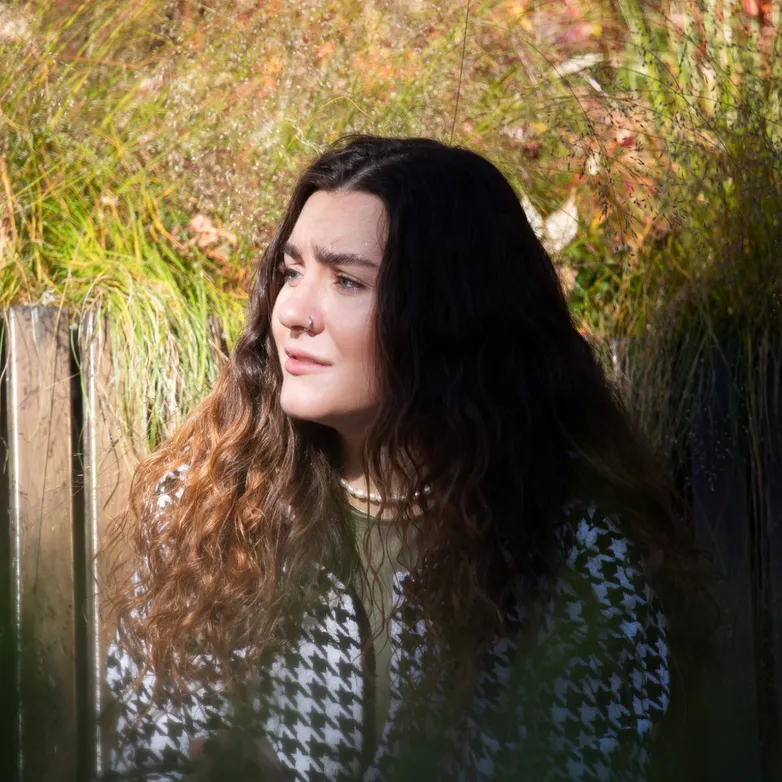
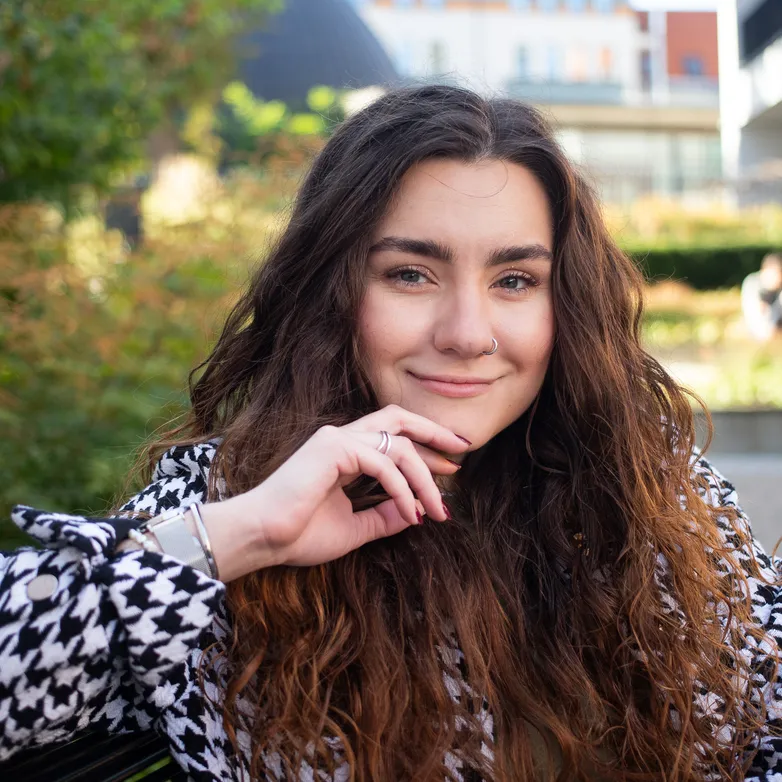
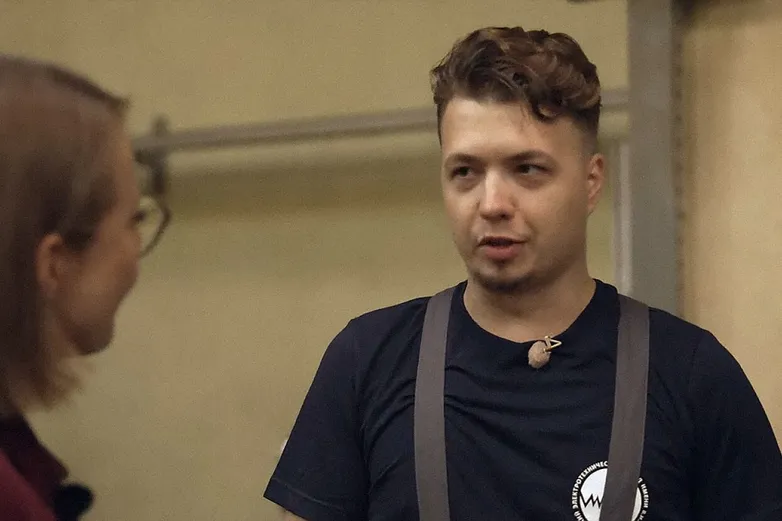
Sofia Sapega and Roman Protasevich
At Meduza, we are committed to transparency about our use of artificial intelligence in the newsroom. The story you’re reading was written by one of our living, breathing journalists and translated from Russian using an AI model configured to follow our strict editorial standards. This translation process is the result of extensive testing and refinements to ensure our English-language coverage is timely and accurate. A Meduza editor reviews every draft before publication.
If you find any errors in this translation, please contact us at [email protected].
To read Meduza’s exclusive content in English, please subscribe to our newsletter.