
explainers
Putin wants to repeat the Oleshky humanitarian mission in occupied Kostiantynivka. Why there? And is it a ploy to resupply Russian troops?
Source: Meduza
explainers
Putin wants to repeat the Oleshky humanitarian mission in occupied Kostiantynivka. Why there? And is it a ploy to resupply Russian troops?
Source: Meduza

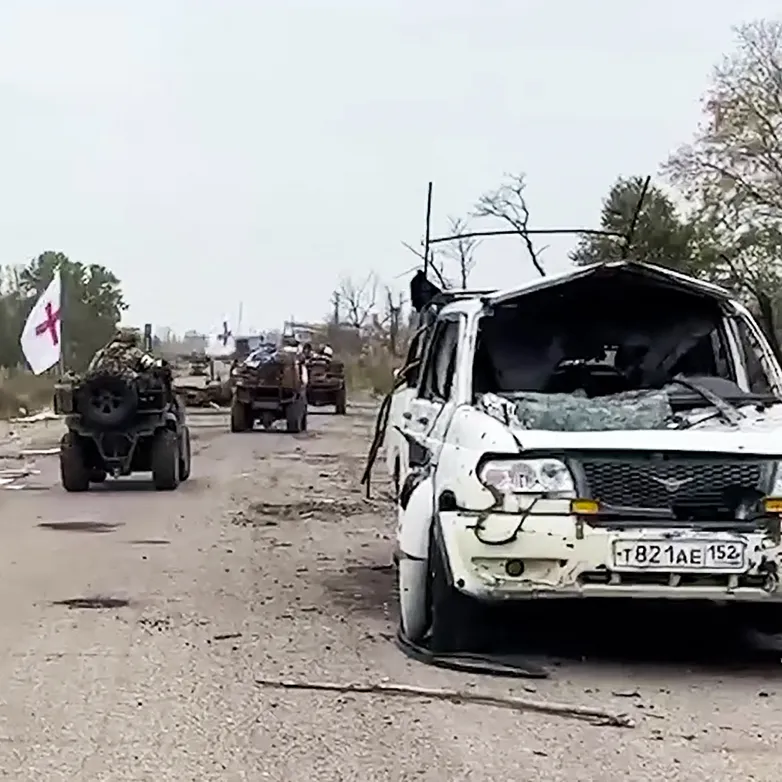
The road to Kostiantynivka near Druzhkivka, October 24, 2026
Alex Nikitenko / Global Images Ukraine / Getty Images
Ahead of his meeting with U.S. presidential envoys Steve Witkoff and Jared Kushner, Russian President Vladimir Putin proposed a humanitarian operation in Kostiantynivka, in Ukraine’s Donetsk region, modeled on a similar mission recently carried out in Oleshky. According to Putin, “about 400 to 500 civilians” remain in the city.
Putin suggested that delegations led by the Russian and Ukrainian human rights commissioners, Yana Lantratova and Dmytro Lubinets, could evacuate them from Kostiantynivka while foreign journalists observed. He stressed that the city is controlled by Russian forces, which are ready to clear it of mines, and that “if Kyiv believes it controls the city, let it ensure security on its side.” Putin’s aide Yuri Ushakov confirmed that the goal is to show “who really controls Kostiantynivka.” He said the American negotiators supported the idea. Dmytro Lytvyn, an adviser in the Ukrainian president’s office, was skeptical: in his view, Russia could use the mission as cover to rotate troops. Meduza answers the key questions about Putin’s proposal.
What should you know about Kostiantynivka? And who controls it?
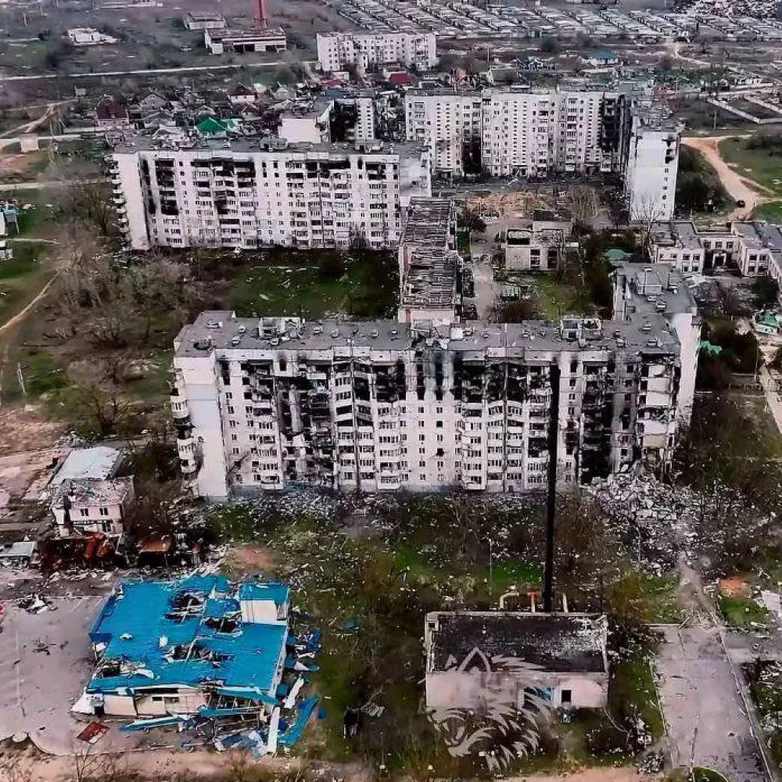
Kostiantynivka is a city 20 kilometers (about 12 miles) south of Kramatorsk with a prewar population of around 70,000. (Oleshky, by comparison, had about a third as many residents before 2022, roughly 24,000.) Russian forces seized most of the city in the summer of 2026 after several months of bombing and drone strikes.
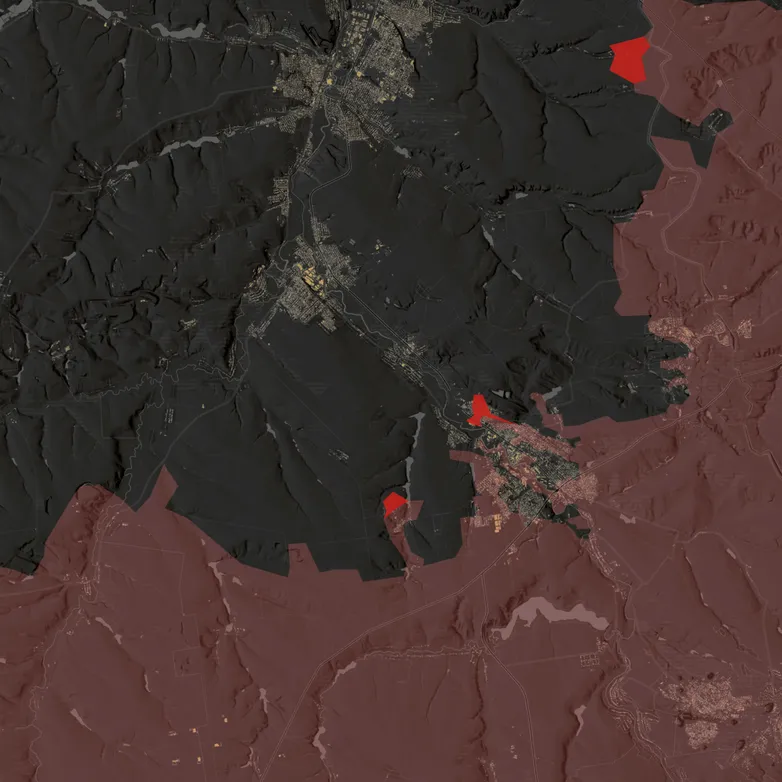
Russian assault troops took most of the city’s districts within a few days but couldn’t drive out all the Ukrainian soldiers. That gave Ukrainian officials grounds to say Russian forces had not captured the entire city.
That is still the situation today. Russia controls most of the city’s districts, but scattered Ukrainian units remain on its northern and western outskirts. Drones keep those positions supplied.
The Ukrainian assault troops aim to keep Russian drone operators from setting up in the city’s ruins, where they could support a Russian advance toward Kramatorsk. So far, despite many attempts, Russian forces have failed to capture even the neighboring settlement of Oleksiievo-Druzhkivka.
Still, if a ceasefire were declared and a humanitarian mission accompanied by journalists entered the city, it would appear to observers that Russian forces had complete control.
That is likely Putin’s aim: to demonstrate that Russia controls Kostiantynivka, or at least that Ukrainian forces do not.
This is what sets the situation apart from the operation in Oleshky. There, Russian forces fully controlled the town, and both sides acknowledged the threat of a genuine humanitarian catastrophe.
Is Kostiantynivka really on the brink of a humanitarian catastrophe?
We don’t know. What is known is that after storming the city, Russian forces evacuated some of the residents who had stayed behind.
Until Putin’s remarks today, there had been no reports that hundreds of civilians remained in Kostiantynivka, which has been destroyed at least as badly as, say, neighboring Bakhmut.
Could Russian forces really use a humanitarian mission as cover? And did they actually do so in Oleshky?
We don’t know the answer to the first question. So far, only a representative of Volodymyr Zelensky’s office has voiced concern that Russia would use the humanitarian operation to reinforce and rotate its forces in Kostiantynivka.
He did point to the similar operation in Oleshky, in the Kherson region. There, a Ukrainian drone filmed a Russian drone-operator team moving into the town while civilians were being evacuated.
Kyiv may, however, have other concerns it hasn’t yet voiced. Russia could present the humanitarian operation to the world as proof that it controls the city. Russian troops could also take advantage of the temporary pause in fighting to identify and then destroy Ukrainian positions on Kostiantynivka’s northern and western outskirts.
Frontline cities in Ukraine
At Meduza, we are committed to transparency about our use of artificial intelligence in the newsroom. The story you’re reading was written by one of our living, breathing journalists and translated from Russian using an AI model configured to follow our strict editorial standards. This translation process is the result of extensive testing and refinements to ensure our English-language coverage is timely and accurate. A Meduza editor reviews every draft before publication.
If you find any errors in this translation, please contact us at [email protected].
To read Meduza’s exclusive content in English, please subscribe to our newsletter.