Poland orders four Russians and 11 Belarusians to leave after they enter on tourist visas, apparently hoping to compete at a world karate championship
Source: TVP
Polish Border Guard officers detained 15 Russian and Belarusian citizens who apparently intended to compete in the world karate championships for youth, junior, and under-21 athletes in Bielsko-Biała.
The detainees — 11 Belarusians and four Russians — entered Poland on tourist visas, which, according to Border Guard spokesperson Szymon Mościcki, “did not match the stated purpose of their stay.” All were ordered to leave the country within eight days.
The karate championships took place from September 14 to 18. Polish authorities had barred Russian athletes from the outset. The Russian Karate Federation said it “had anticipated this situation and therefore had not recommended that anyone take part in this tournament,” but also “could not stand in the way of the athletes’ own wishes” to compete in the event.
The organizers said no Russian athletes had registered by the deadline. As early as October 8, the Polish Karate Union said the Russians would not be coming. Piotr Borys, Poland’s deputy minister of sport and tourism, said Poland had a firm policy of barring Russian athletes from competitions in the country.
The organizers nevertheless expected Russians to try to take part in the tournament. “That’s why we warned them in advance through our contacts in the sport not to come,” said Polish Karate Union President Paweł Połtorzecki.
The Russian Karate Federation said it knew about the ban and that the athletes had been expelled because they “entered on visas that did not cover the purpose of their visit.” “We knew this was how it would turn out. That’s why no one from the federation went,” it said.
The Russians being expelled from Poland have not been named. The news outlet Vot Tak reported that students at the Oryol-Karat school were among those who wanted to attend the competition. The school’s administrators send aid to Russian troops and organize meetings between children and people who have taken part in the war.
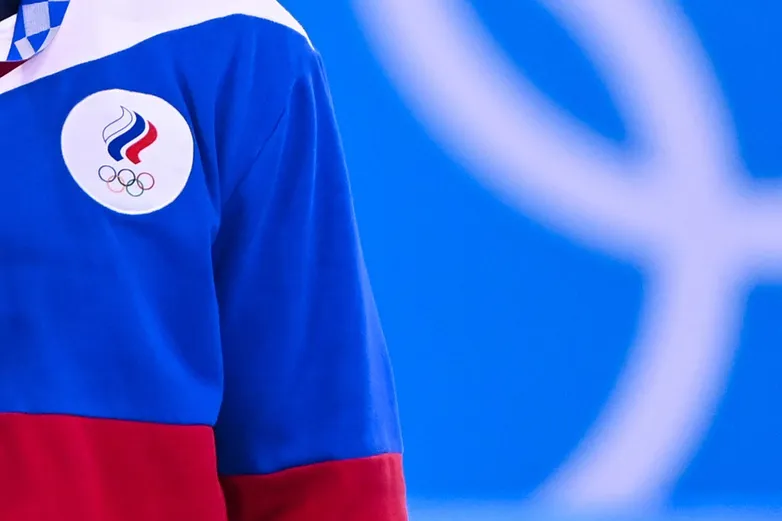
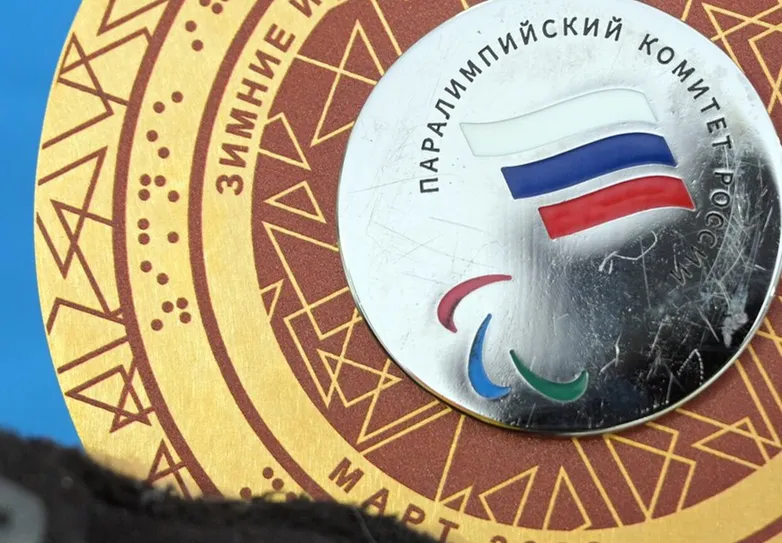
Russian athletes at the Olympics and Paralympics
At Meduza, we are committed to transparency about our use of artificial intelligence in the newsroom. The story you’re reading was written by one of our living, breathing journalists and translated from Russian using an AI model configured to follow our strict editorial standards. This translation process is the result of extensive testing and refinements to ensure our English-language coverage is timely and accurate. A Meduza editor reviews every draft before publication.
If you find any errors in this translation, please contact us at [email protected].
To read Meduza’s exclusive content in English, please subscribe to our newsletter.