Russian human rights activist Nina Litvinova dies by suicide, leaving a note condemning Putin’s war in Ukraine and crackdown on dissent
Nina Litvinova, a longtime Russian dissident and human rights activist, took her own life in Moscow. Journalist Masha Slonim, Litvinova’s cousin, published an excerpt from her suicide note on Facebook on May 14.
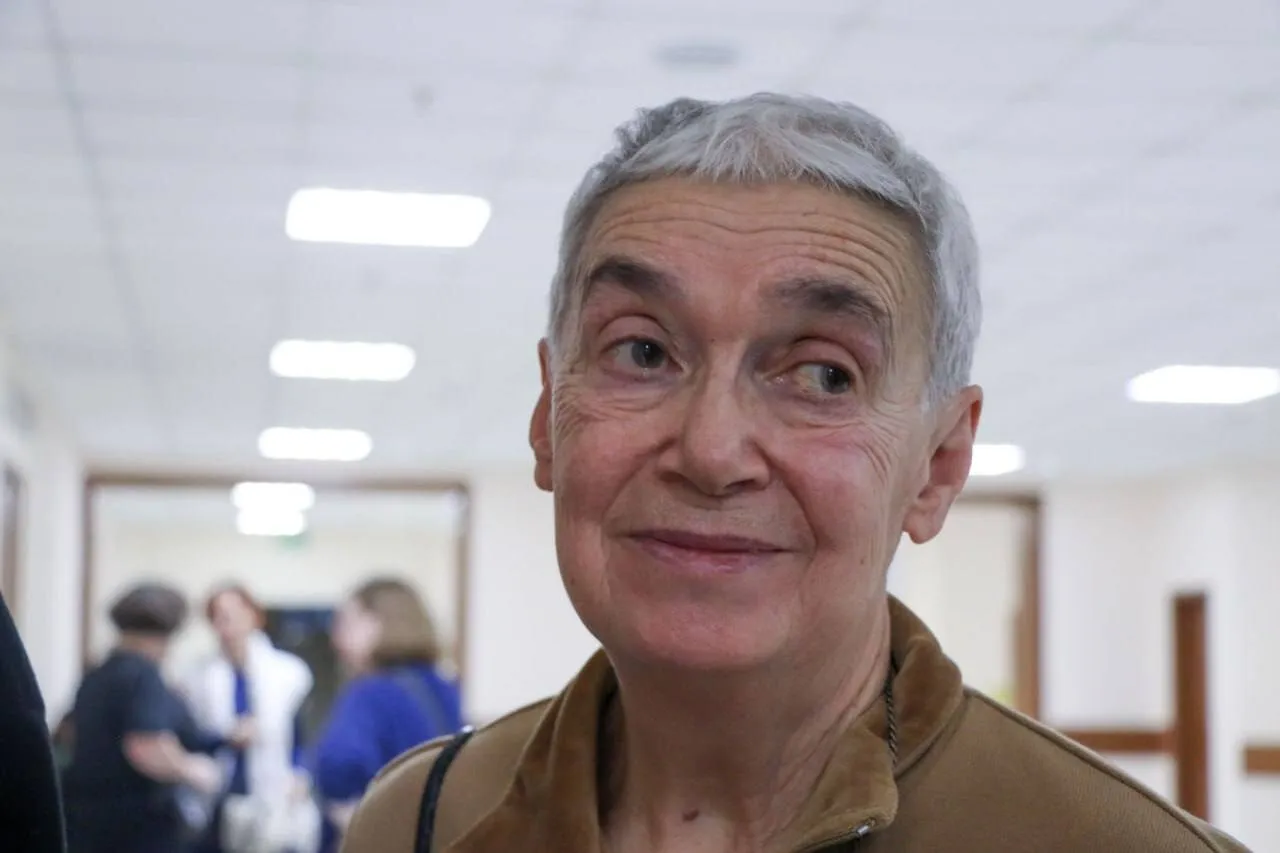
Za Prava Cheloveka
In her note, Litvinova wrote that “Putin invaded Ukraine and is killing innocent people, and here he endlessly imprisons thousands of people who suffer and die there because they, like me, are against the war and against killing.” Slonim added that the note also contained a personal section addressed to family and loved ones.
Explaining her decision to publish part of her cousin’s message, Slonim wrote: “We decided to show the real reasons: Putin killed her!”
The human rights group Memorial published an obituary describing Litvinova as “a participant in the dissident movement who did an enormous amount to support political prisoners in the 1960s–1980s and in the 2000s–2020s.”
In her last eight years, the obituary said, Litvinova traveled regularly with Memorial activists to Petrozavodsk for the trials of historian Yury Dmitriev, attended hearings in the cases of Oleg Orlov and Zhenya Berkovich, and “helped countless obscure and unknown political prisoners”:
Nina Litvinova embodied quiet but unbending courage and nobility. She always showed up where it mattered most.
The state news agencies RIA Novosti and TASS reported Litvinova’s death on May 13 without mentioning her human rights work. RIA Novosti noted only that she was the granddaughter of Maxim Litvinov, the Soviet People’s Commissar for Foreign Affairs. TASS additionally reported that Litvinova had worked at the Institute of Oceanology.
Citing law enforcement sources, the state agencies said Litvinova had left a suicide note but provided no details.
At Meduza, we are committed to transparency about our use of artificial intelligence in the newsroom. The story you’re reading was written by one of our living, breathing journalists and translated from Russian using an AI model configured to follow our strict editorial standards. This translation process is the result of extensive testing and refinements to ensure our English-language coverage is timely and accurate. A Meduza editor reviews every draft before publication.
If you find any errors in this translation, please contact us at reports@meduza.io.
To read Meduza’s exclusive content in English, please subscribe to our newsletter.
Why is this notice here?
When specialists who can support people in crisis are available, that also helps prevent suicides. And publishing their contact information in the media helps people get professional help.