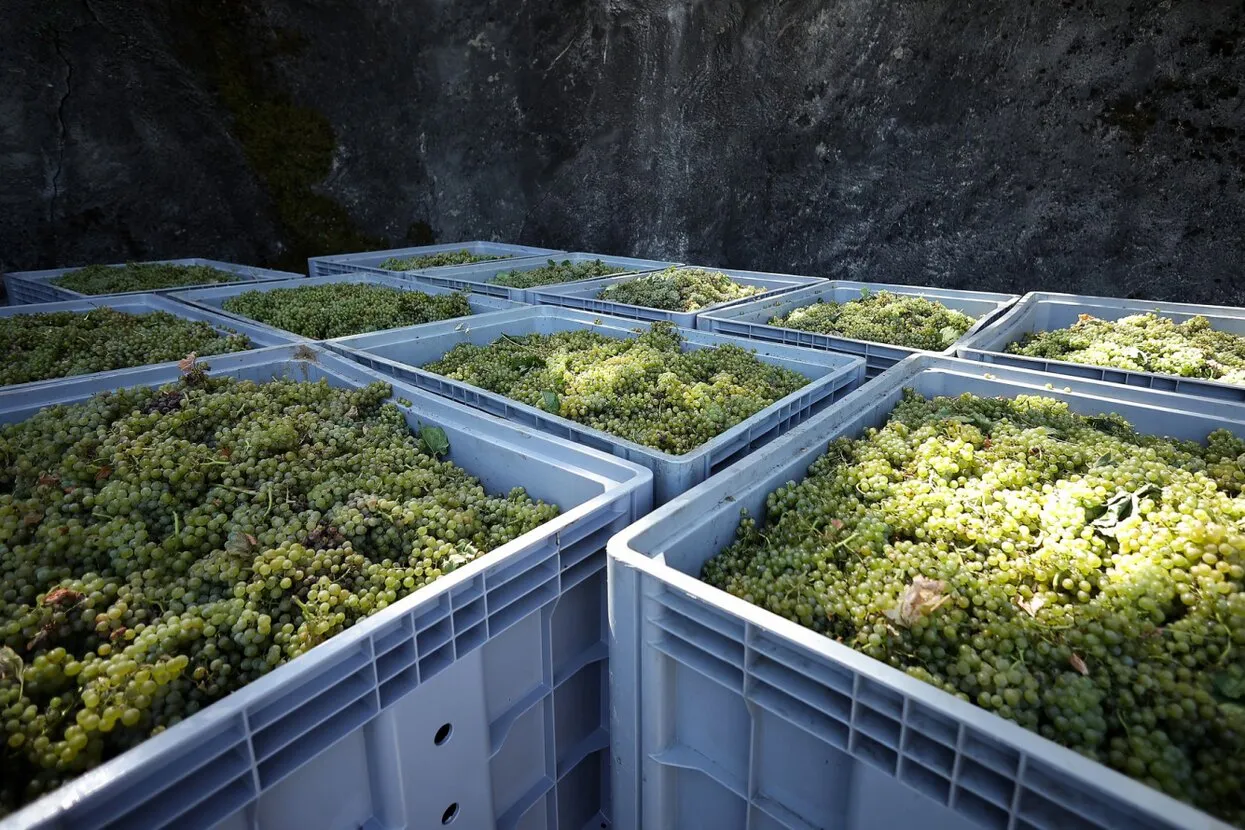
Crimea’s wine industry is collapsing under fuel shortages and power outages, growers say
Crimea continues to face a fuel and energy crisis triggered by Ukrainian strikes aimed at cutting the annexed peninsula off from mainland Russia. The power outages and fuel shortages have taken a severe toll on the region’s wine industry, Forbes Russia reported after speaking with local wine producers. Meduza summarizes what the winemakers had to say.
This is a brief retelling of statements made by Crimean winemakers who spoke with Forbes Russia. The meaning and context have been fully preserved, though some portions of the statements may have been edited or reordered.
Dmitry Vishnevsky, owner of the Aromatnoye winery project in Bakhchysarai
Sales have collapsed since May, despite a strong harvest. The tourist season has been wiped out. Tending the vines is a struggle — there is no fuel for the tractors, so workers treat the vines for pests by hand, using backpack sprayers.
Pavel Shvets, owner of Uppa Winery in Sevastopol
The tourists are gone entirely. The restaurant, which used to run year-round, has had to close. In a normal season, the winery would receive 1,500 to 2,000 visitors; this year it has seen 20 to 30. Wine sales are down 99 percent. Power outages have knocked out internet access, making it impossible to sell online. Diesel generators keep the lights on, but diesel on the black market runs 200 to 300 rubles a liter. Workers cannot get to the winery — public transportation is running sporadically, and efforts to shuttle them in have run into the same fuel shortage. Even if the grapes are harvested and processed, he expects bottles, corks, and other bottling supplies to run short by winter.
Irina Bogovich, founder of Bogovich Wine & Vineyard in Sevastopol
Shipping companies are reluctant to move wine, leaving the winery effectively under a blockade. Getting goods to the mainland is impossible because of the strikes, and the connection with the rest of Russia has nearly broken down. It’s unclear who will bring in the harvest — staff is thin, and there’s no way to recruit outside workers, who would need to be transported to the winery. The winery is counting on friends and volunteers.
Alexei Kucherov, founder of Hills & Rocks in Sevastopol
There are no tourists. The winery used to draw at least 500 visitors a season; this year the number is zero. Constant drone strikes have kept people away. One of the tractors was recently blown up, and there is no fuel for other vehicles: a liter of gasoline costs 250 rubles at the pump and 400 from resellers. The harvest begins in mid-August. Some farmers plan to leave their grapes on the vine rather than pick them; others may try to sell at a loss. Last year grapes fetched 150 rubles a kilogram, but at current fuel prices, harvesting does not pay.
At Meduza, we are committed to transparency about our use of artificial intelligence in the newsroom. The story you’re reading was written by one of our living, breathing journalists and translated from Russian using an AI model configured to follow our strict editorial standards. This translation process is the result of extensive testing and refinements to ensure our English-language coverage is timely and accurate. A Meduza editor reviews every draft before publication.
If you find any errors in this translation, please contact us at reports@meduza.io.
To read Meduza’s exclusive content in English, please subscribe to our newsletter.
Что?
При каких обстоятельствах произошел взрыв, не уточняется.
Blown up?
The circumstances under which the explosion occurred were not specified.