‘Saving the Kyiv regime isn’t part of our plans’: Putin on Ukraine, fuel shortages, and Trump
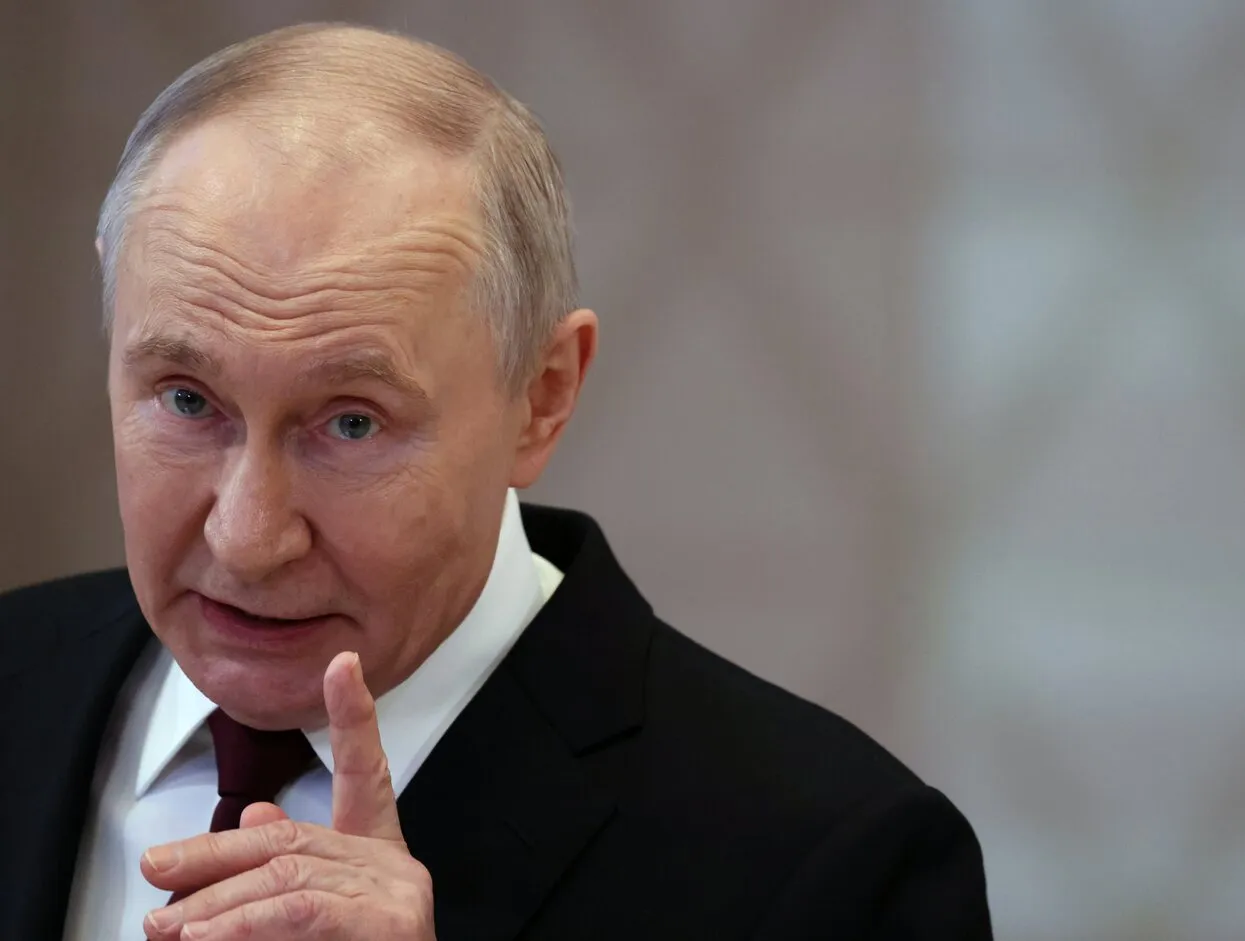
On the evening of June 28, the Kremlin released a 25-minute “interview” with Vladimir Putin conducted by propagandist Pavel Zarubin. In the published video, Putin is visibly looking away from the correspondent, reading his answers off a teleprompter. The Kremlin’s press service made no mention of Zarubin by name, identifying him only as “a Russian journalist.” During the “interview,” Putin said that Russia’s fuel shortage was “not critical” and that the government intended to address it by ramping up air defense production. He also said Ukraine had put forward a new peace proposal — both sides would halt strikes deep into each other’s territory — but that the Kremlin had already rejected it. Here are the main points of his remarks.
On the fuel crisis
Putin acknowledged that strikes on infrastructure “create problems” but insisted the shortage was not critical. The first priority in addressing it, he said, was to “quickly and substantially ramp up production of the most in-demand air defense systems.”
He also called for accelerating the return of oil refineries from maintenance and ensuring “the necessary volume of imports” of fuel.
“There is damage,” he said. “But all damaged facilities are being restored fairly quickly, and the problems that arise are not critical in nature.”
Everything is working stably and with a large margin of safety.
Putin also said fuel supplies to Crimea would be increased “both overland and by sea.” A shortage had emerged there as early as May after Ukrainian strikes on the R-280 Novorossiya highway, the main land route supplying the annexed peninsula. Putin did not say how the increase would be achieved but expressed confidence that “this task will be resolved.”
In Putin’s view, Ukrainian strikes on oil refining infrastructure amount to “part of an information operation” aimed at “sowing self-doubt in us, in our own strength, and ideally — driving a wedge in Russian society.”
We will not give them that chance.
“All strikes, wherever they are aimed at our infrastructure, have absolutely no effect on the situation at the front, on the line of contact,” he added.
On Ukraine’s new peace proposal
Putin said Ukrainian authorities had proposed a “halt to strikes deep into each other’s territory” — an offer the Kremlin rejected. “Our retaliatory strikes deep into Ukrainian territory are far more powerful, impactful, and, frankly, destructive, and lead to truly serious consequences,” he said.
Ukraine had also proposed confining hostilities to the territories of Donetsk, Luhansk, Kherson, and Zaporizhzhia regions while halting combat operations everywhere else — a proposal Russia likewise turned down.
“If we agree to this, it would allow the Ukrainian Armed Forces to pull their troops from Mykolaiv region, Dnipro region, Kharkiv, and Sumy region, as well as from certain sections of the state border, and redeploy those units to the four regions mentioned above,” Putin said.
Given the catastrophic manpower shortage, the Ukrainian Armed Forces apparently believe this could be their salvation. But saving the “Kyiv regime” isn’t part of our plans.
Putin then devoted a significant portion of his remarks to describing the situation at the front as he understood it from available data. The independent Russian political newsletter Faridaily noted that Putin was clearly reading from a teleprompter — likely due to the large number of place names — and was looking to the side rather than at his interviewer Zarubин, squinting as he spoke.
On the ‘spirit of Anchorage’ and Trump
Putin confirmed that no agreements had been reached at the Anchorage summit.
The “spirit of Anchorage” was not enshrined in any formal documents; no one signed anything.
Nevertheless, Putin said, “compromises and certain possibilities” for ending the war had been discussed.
Days earlier, U.S. Secretary of State Marco Rubio had said that the Alaska summit addressed only proposals for ending the Russia–Ukraine war and that no agreements had been reached. Russian Foreign Minister Sergey Lavrov, for his part, insisted that if the United States put forward settlement proposals and Russia agreed to them, one cannot say “that there was no agreement.”
Putin also commented on reports in Western media that European leaders had managed to convince U.S. President Donald Trump to change his view on the balance of forces in the Russia–Ukraine war.
I doubt that is possible. Trump is a mature politician — more than mature, and already an experienced one.
“We are human beings; we all listen to our opponents and our allies, we take note and can adjust our point of view to some degree. But to be completely convinced otherwise — in any case, I have not been informed of anything like that so far, I know nothing about it,” Putin said.
At Meduza, we are committed to transparency about our use of artificial intelligence in the newsroom. The story you’re reading was written by one of our living, breathing journalists and translated from Russian using an AI model configured to follow our strict editorial standards. This translation process is the result of extensive testing and refinements to ensure our English-language coverage is timely and accurate. A Meduza editor reviews every draft before publication.
If you find any errors in this translation, please contact us at reports@meduza.io.
To read Meduza’s exclusive content in English, please subscribe to our newsletter.