Russia plans winter strikes to cut off electricity, heat, and water in Kyiv, Kharkiv, and Odesa to force Ukraine’s surrender, NYT reports
Russia expects to force Ukraine to capitulate this coming winter by disabling its energy system, particularly by leaving Kyiv, Kharkiv, and Odesa without electricity, heat, or water, The New York Times reported. The newspaper reviewed a Russian government plan that Ukraine intercepted and showed to its European allies in September.
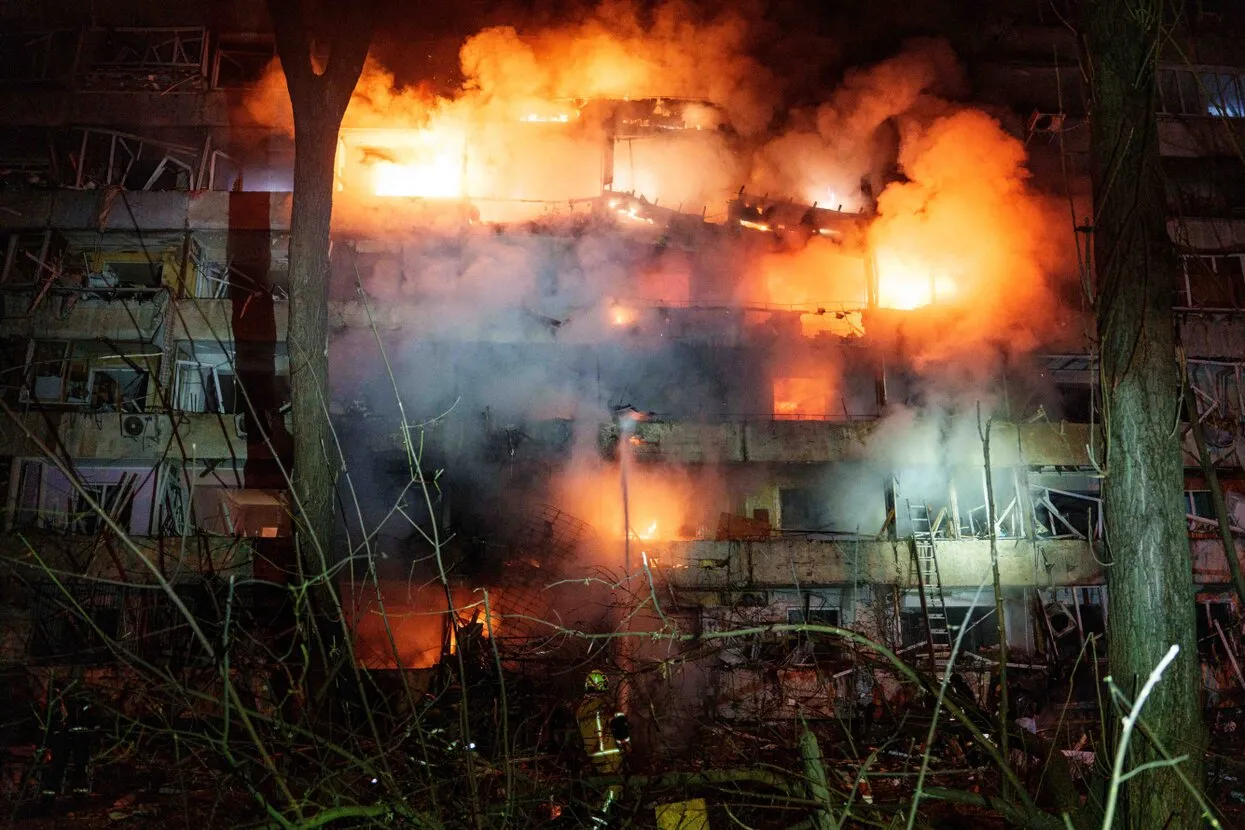
According to the plan, Russia would need about 70 ballistic missiles, 720 long-range drones, and 150 guided aerial bombs to cut off water, electricity, and heat to Ukraine’s three largest cities. Russian military planners believe a month of strikes at that intensity would destroy Ukraine’s energy system.
With the war now in its fifth year, previous attacks have left Ukrainian power plants unable to operate at full capacity, and each new strike quickly knocks them offline, the newspaper reported. Before the war, for example, the three combined heat and power plants supplying Kyiv had a total generating capacity of about 1.3 gigawatts. That has now fallen to about 500 megawatts.
If Russia’s plan succeeds, Kyiv, Kharkiv, and Odesa could lose 90% of their power generating capacity and see heat supplies cut by 90%, disrupting water and sewage systems, according to the newspaper.
Russia’s confidence that the plan can work stems largely from Ukraine’s shortage of air defenses, particularly Patriot interceptor missiles, without which Ukrainian forces are virtually unable to defend against ballistic missiles.
Analysts agree that Moscow now has a better chance of succeeding in its air campaign than at any other point in the war. Ukraine’s missile defenses have been depleted by cuts in American aid, Russia’s missile and drone arsenal has grown more powerful and effective, and years of strikes have left Ukraine’s energy infrastructure far more vulnerable.
This makes Moscow extremely unlikely to agree to any version of the energy ceasefire Kyiv has repeatedly proposed. “The only card they have to pressure the Ukrainians are these air attacks. They don’t have anything else,” Harry Nedelcu, a director at the consulting firm Rasmussen Global, told The New York Times.
But history shows that such bombing campaigns, which devastate economies and civilian life, usually fail to force an enemy to surrender, the newspaper reported. The United States failed to achieve its aims this way in Vietnam, during the Persian Gulf War in the early 1990s, and in the current war against Iran.
“Punishing the adversaries’ civilian population and trying to break its will has a very poor historical track record for coercing it to concede defeat,” Seth Jones, a military expert at the Washington-based Center for Strategic and International Studies, told the newspaper.
At Meduza, we are committed to transparency about our use of artificial intelligence in the newsroom. The story you’re reading was written by one of our living, breathing journalists and translated from Russian using an AI model configured to follow our strict editorial standards. This translation process is the result of extensive testing and refinements to ensure our English-language coverage is timely and accurate. A Meduza editor reviews every draft before publication.
If you find any errors in this translation, please contact us at reports@meduza.io.
To read Meduza’s exclusive content in English, please subscribe to our newsletter.