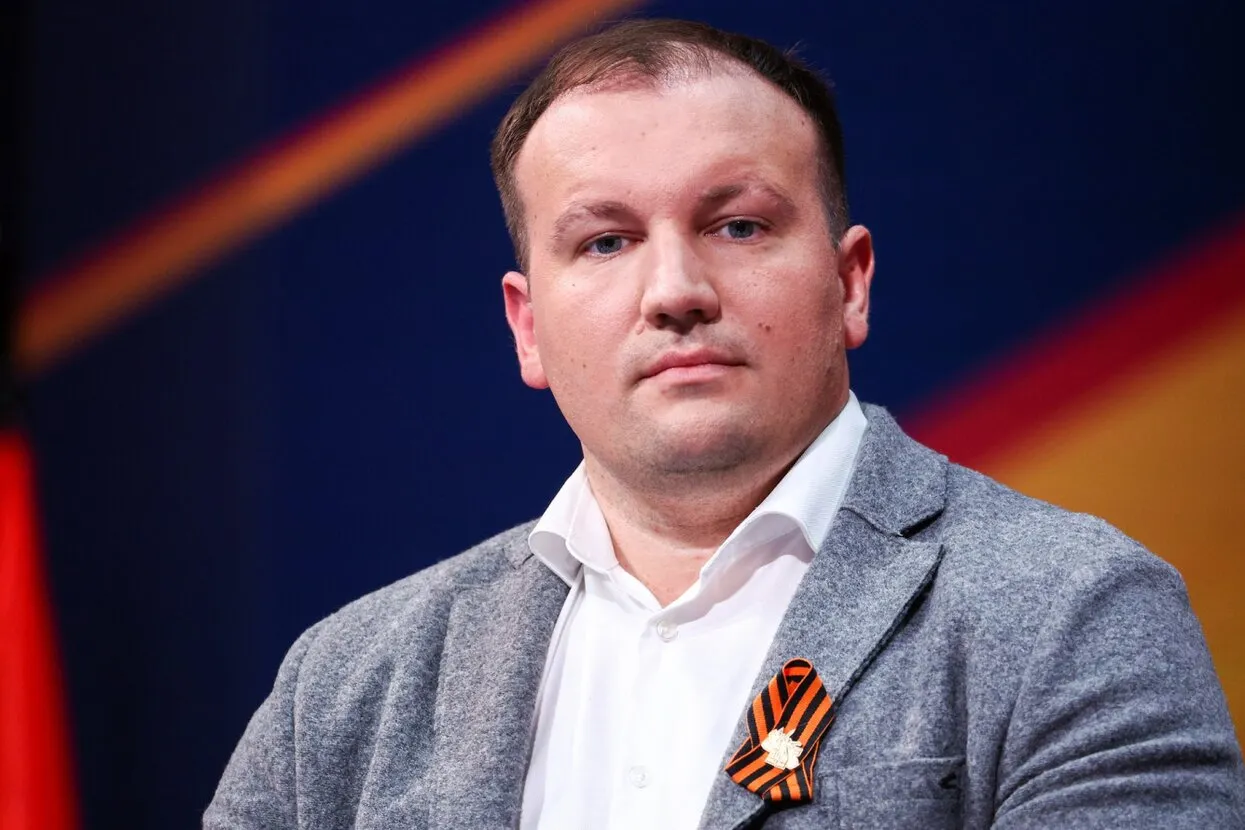
Montenegro detains founder of Rybar, one of Russia’s most popular pro-war Telegram channels. Here’s what we know.
Montenegrin authorities detained the creator of the Telegram channel Rybar. Mikhail Zvinchuk, his wife, and three other Rybar staffers were detained in the town of Risan on the morning of October 9. According to reporting by the local outlet Vijesti, they found “sophisticated digital equipment,” drones, and “electronic devices” on them. Montenegrin security services had been monitoring Zvinchuk and his team for several days. Media reports said the operation was aimed at “suppressing the hybrid activity” of the Rybar network of channels.
It remains unclear whether Zvinchuk has been charged with anything. Law enforcement agencies have not officially commented on the detention. Montenegrin Prime Minister Milojko Spajić wrote on the social network X that the government does not intend to “voice what should remain within the competence of the security services.” “But the message after today’s successful operation, in which the head of the Rybar information network was detained, is absolutely clear: state institutions are doing their jobs, Montenegro is protecting its interests, and no one will jeopardize our European future,” he said.
The next paragraph contains profanity.
Rybar confirmed the detention. A post on the Telegram channel emphasized that all those detained were in Montenegro legally and officially. “In particular, there were plans to film at Cetinje Monastery, for which an entirely official request had been submitted beforehand,” the post said. Rybar said it hoped for the detainees’ swift release, since “there were no violations of local law.” Zvinchuk’s presence in Montenegro was indeed public: the day before, he posted a video from there on his RuTube channel. On his Instagram, he wrote that he had gotten into Montenegro despite being under EU and UK sanctions: “You can always run into some fucking idiot of a border guard who empties out all your pockets but forgets to check the database.”
Russia has promised diplomatic support for those detained. “Our diplomats will look into the reasons for the detention and, as with every Russian citizen, work to protect his rights,” Russian presidential press secretary Dmitry Peskov said. Dmitry Medvedev, deputy chairman of Russia’s Security Council, said Russians “needlessly traipse around” European countries and called for Russia to form an “exchange fund” of Europeans and foreigners.
Rybar is one of the most popular Russian pro-war Telegram channels, with more than 1.5 million subscribers. Zvinchuk, a former press officer for Russia’s Defense Ministry, created it with his colleague Denis Shchukin. The channel launched in 2018, and businessman Yevgeny Prigozhin helped fund it in its early years. Rybar describes itself as a “military-analytical center” and runs a network of affiliated channels devoted to specific regions, including “Evropar,” “Afrikar,” and “Balkanar.” In 2024, the U.S. State Department announced a $10 million reward for information on Rybar staffers. According to the American agency, the channel had tried to interfere in the U.S. presidential election.
In September, the Czech Republic expelled two Russians working for Rybar. Vitaly Chashchukhin and Igor Dolmatov were detained after the local outlet Seznam Zprávy reported that Rybar representatives were working in Europe and routinely obtaining comments from politicians and experts. During questioning, they said they officially worked for the newspaper Izvestia, which has been under EU sanctions since 2024. Later, the independent Russian investigative outlet iStories found that Chashchukhin and Dolmatov hold residence permits in Germany and have lived for years in villas in the prestigious Berlin district of Zehlendorf.
Montenegro is preparing to join the EU in the near future. The country’s expected accession date is January 1, 2028, though the timeline could shift if Montenegro fails to make the necessary legislative changes in time. As part of its preparations, Montenegro is aligning its visa policy with EU rules and will introduce a visa regime on November 1 for citizens of certain third countries, including Russia. A report Zvinchuk had previously published addressed this topic, among other things: he discussed how a visa regime for Russian tourists would hurt Montenegro’s economy.
At Meduza, we are committed to transparency about our use of artificial intelligence in the newsroom. The story you’re reading was written by one of our living, breathing journalists and translated from Russian using an AI model configured to follow our strict editorial standards. This translation process is the result of extensive testing and refinements to ensure our English-language coverage is timely and accurate. A Meduza editor reviews every draft before publication.
If you find any errors in this translation, please contact us at reports@meduza.io.
To read Meduza’s exclusive content in English, please subscribe to our newsletter.