Ozon was the big winner from Wildberries’ ruin. Five weeks later, it’s the target of Ukraine’s drone attacks.
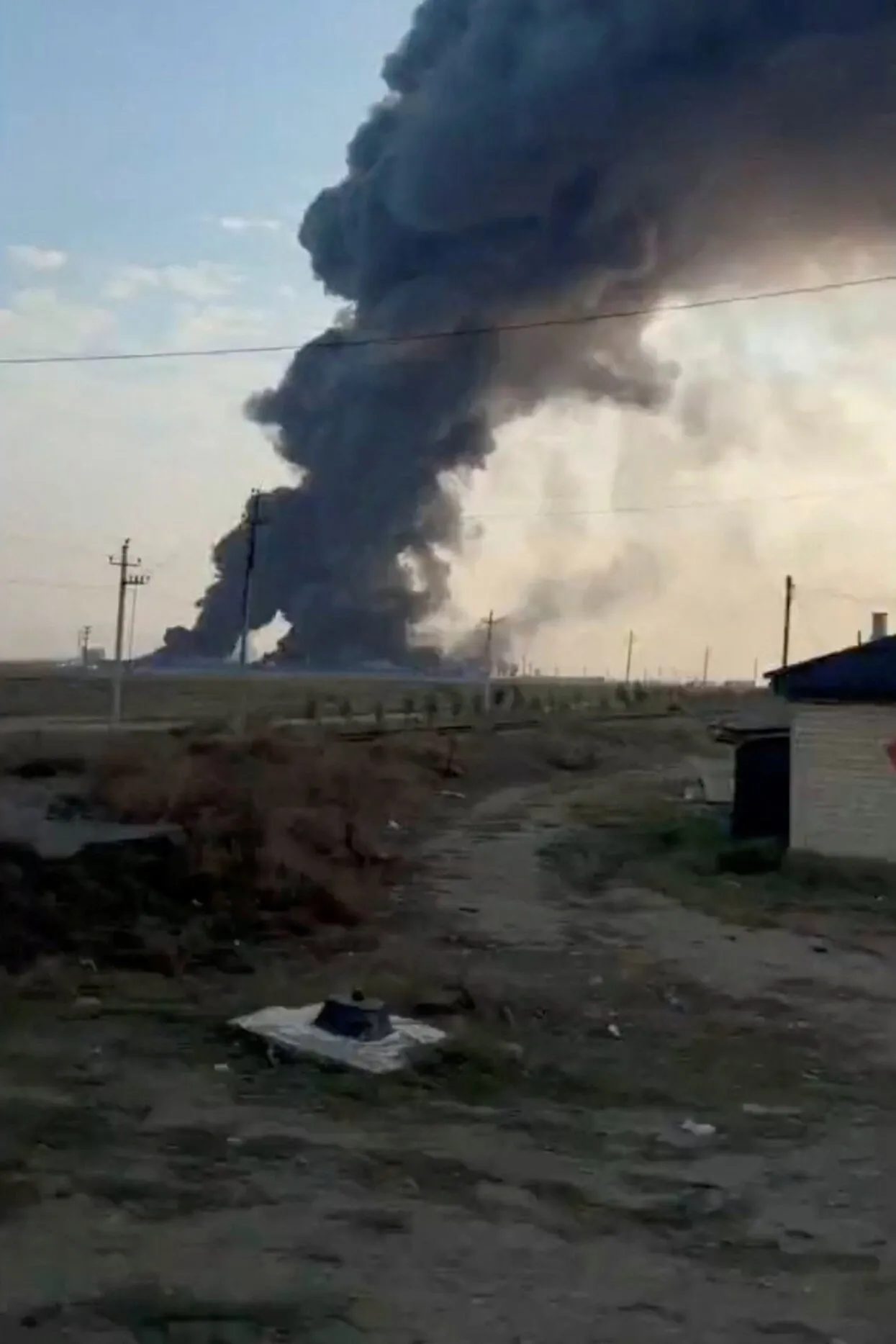
For a third straight night, Ukraine’s military has struck warehouses belonging to the Russian online marketplace Ozon. The first drone strike, overnight on August 22, targeted the company’s warehouse in Chapaevsk (Samara region); the building caught fire and several people were injured. Ukrainian forces attacked a warehouse in Orenburg overnight on August 23. Overnight on August 24, warehouses in Adygeysk (Adygea), Nevinnomyssk (Stavropol Krai), and Makhachkala (Dagestan) came under attack. Fires broke out at most of the sites, and people were injured.
Ozon’s shares on the Moscow Exchange fell 28% as the strikes continued, then recovered part of the loss. The independent Russian outlet Agentstvo calculated that Ukrainian forces struck roughly 233,000 square meters (2.5 million square feet) of storage over the three days — or 6% of Ozon’s total warehouse space. At the end of 2025, the company had 50 full-cycle fulfillment centers that process goods from intake to shipment and more than 150 delivery hubs, with warehouses covering about 5 million square meters (53.8 million square feet).
Ukrainian forces began striking Ozon five weeks after they started hitting warehouses belonging to the Russian online marketplace Wildberries. The Wildberries campaign began on July 18. Journalists and analysts have counted 23 Wildberries warehouses damaged or destroyed, at least 14 people killed, and more than 100 injured. Wildberries lost up to 40% of its warehouse space, and total losses for the company and its sellers are estimated in the hundreds of billions of rubles (billions of dollars).
Ukraine’s Defense Ministry has openly named Ozon its new target. “After Ukrainian units struck Wildberries’ 15 largest logistics hubs, now it’s Ozon’s turn,” the ministry said on August 22. It called the attacks on Russian marketplaces “long-range sanctions” and explained the reasoning this way: “Systematic strikes on storage centers for dual-use goods complicate the enemy’s logistics and negatively affect the Russian economy as a whole.”
Russian President Vladimir Putin said Kyiv had “opened Pandora’s box” when it began attacking Russian commercial sites. “Well, then, you’ll get a response targeting your most sensitive economic sectors, which are already on their last legs,” he vowed last week. Kremlin spokesman Dmitry Peskov pointed back to those exact words in his own comments on the Ozon strikes: “Kyiv feels the responses every day, every night, and will keep feeling them.”
Ozon had been seen as a beneficiary of the Wildberries crisis — and it was bracing for a crisis of its own. Ozon ranks second in Russian e-commerce, behind Wildberries, and the Ukrainian strikes on the market leader’s warehouses only strengthened Ozon’s position. At the same time, Ozon was trying to prepare for possible Ukrainian strikes: it moved high-value goods out of warehouses and into pickup points, raised insurance rates for sellers, and offered them a sales model that skips warehouse storage. But after the first strikes, some sellers still faulted the company, saying it could have done more to protect itself and them.
The government will help Wildberries. What it will do for Ozon is still unclear. On Putin’s orders, the Finance Ministry drew up a support plan for Wildberries and its sellers, consisting mainly of tax deferrals and the option to pay in installments. Whether the authorities will do the same for Ozon and its sellers is an open question. The Economic Development Ministry has said it is ready to take up the matter if Ozon requests help. Ozon’s management has yet to comment on the Ukrainian attacks, their consequences, or any way out of the crisis.
At Meduza, we are committed to transparency about our use of artificial intelligence in the newsroom. The story you’re reading was written by one of our living, breathing journalists and translated from Russian using an AI model configured to follow our strict editorial standards. This translation process is the result of extensive testing and refinements to ensure our English-language coverage is timely and accurate. A Meduza editor reviews every draft before publication.
If you find any errors in this translation, please contact us at reports@meduza.io.
To read Meduza’s exclusive content in English, please subscribe to our newsletter.
What is this?
This is the term for a large warehouse complex where a marketplace receives sellers’ goods and ships them to buyers.