Russia won’t accept a new Black Sea truce, saying the West already broke its word once
Moscow has not received a formal proposal for a moratorium on Black Sea strikes, Russian Foreign Ministry spokesperson Maria Zakharova said on Friday. A day earlier, Reuters reported that Kyiv had used an intermediary to deliver a proposal to Moscow for a mutual halt to strikes on civilian targets in the Black Sea. Reuters did not name the intermediary directly, but it was likely Turkey — Turkish Foreign Minister Hakan Fidan had already said on August 8 that Ankara had sent a moratorium proposal to both sides in the conflict.
“The Russian side has not received, through official channels, any formal communication from Turkey setting out the terms of this initiative,” Zakharova said.
Moscow does not see “grounds for half-measures that only give the Kyiv regime a temporary reprieve,” she said. Russia agreed to a moratorium in 2022–2023 in exchange for access to global markets for its agricultural products, she said, but “the West acted in bad faith” and did not lift sanctions.
Talk of a Black Sea truce has resumed as both sides sharply escalate attacks on merchant vessels and ports. Russia has been striking ports in the Odesa region in recent weeks, and no grain vessel has entered those ports since late July.
On August 12, Ukraine carried out a large-scale strike on Novorossiysk — Russia’s largest Black Sea port and one of its most important grain export hubs. Work stopped at all of Novorossiysk’s terminals as a result: the Novorossiysk Grain Terminal, the Novorossiysk Grain Products Plant, and the KSK Grain Terminal. They have a combined capacity of 26.1 million metric tons.
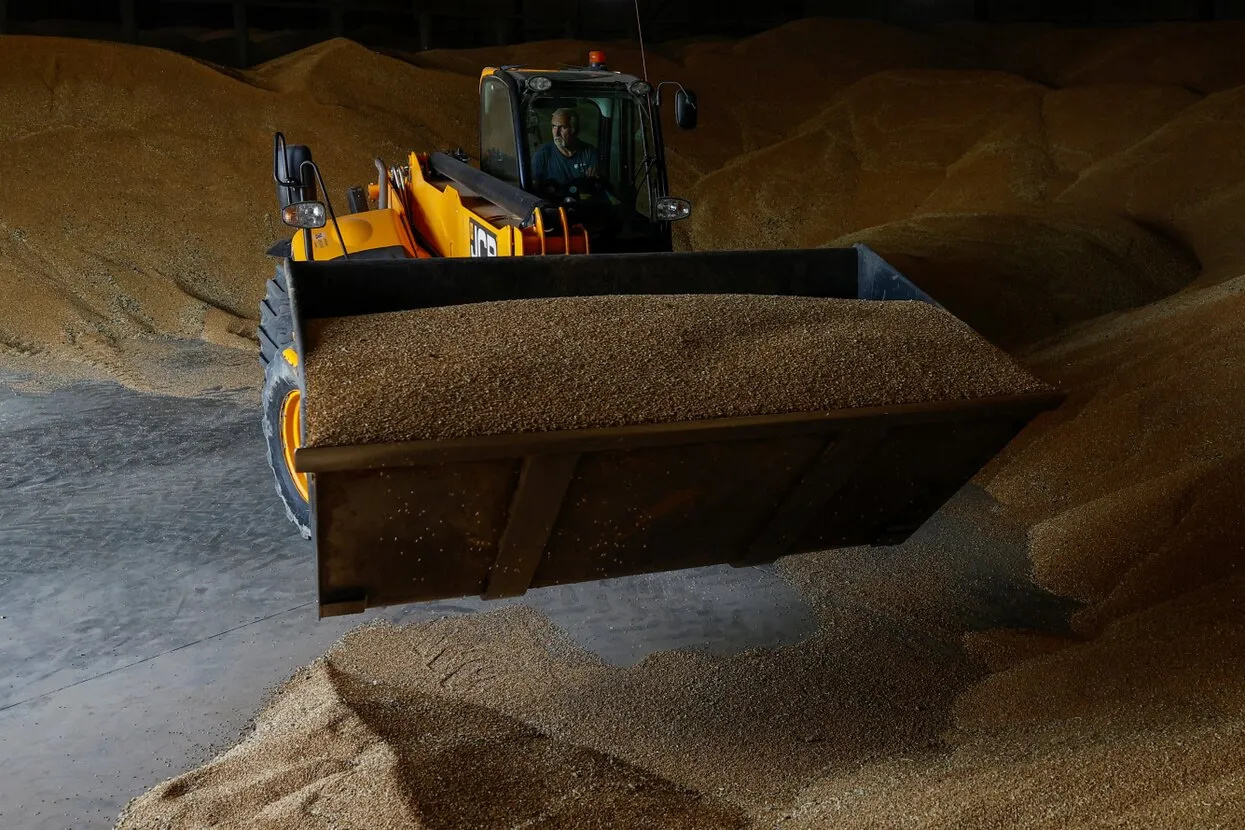
Ukraine is one of the world’s largest grain producers, and 90% of its grain exports move by sea. Shipments fell in August to about a third of the usual volume, or 463,000 metric tons, Ukrainian Agriculture Minister Taras Vysotskyi said.
If the situation does not change, he said, Ukraine could run out of storage space for its new harvest by November, and global food prices could rise by at least 25–30%. Kyiv is negotiating overland routes with Romania, Poland, Hungary, Slovakia, and Moldova, but overland shipping costs more than sea transport and is barely profitable.
Russia, in turn, is the world’s largest wheat exporter, so disruptions at the Novorossiysk terminals could ripple through the entire global market.
Even before the strikes, the Russian Union of Grain Exporters and Producers had warned that the shortfall in Russian wheat deliveries this season could reach 30–35 million metric tons, or about 15% of global wheat trade. Making up the lost volumes with supplies from other exporters would be virtually impossible, the union said. Wheat futures in Chicago rose about 3% on August 12 after the attack on the Novorossiysk terminals.
The war in photographs: Ukraine’s Zaporizhzhia region
Ukrainian police officers and volunteers from the “Chaplain Patrol” public organization evacuate elderly residents from areas of the Zaporizhzhia region as the front line advances. August 14, 2026
Oleg Movchaniuk / EPA / Scanpix / LETA
Oleg Movchaniuk / EPA / Scanpix / LETA
Oleg Movchaniuk / EPA / Scanpix / LETA
Oleg Movchaniuk / EPA / Scanpix / LETA
Oleg Movchaniuk / EPA / Scanpix / LETA
At Meduza, we are committed to transparency about our use of artificial intelligence in the newsroom. The story you’re reading was written by one of our living, breathing journalists and translated from Russian using an AI model configured to follow our strict editorial standards. This translation process is the result of extensive testing and refinements to ensure our English-language coverage is timely and accurate. A Meduza editor reviews every draft before publication.
If you find any errors in this translation, please contact us at reports@meduza.io.
To read Meduza’s exclusive content in English, please subscribe to our newsletter.
Meduza