A ChatGPT-generated image, a photo of Hiroshima, and a line from a Soviet song: the copyright case that helped boot Russia’s only antiwar party off next month’s ballot
Russia’s Supreme Court has ruled to remove the opposition party Yabloko from the ballot in the election for the State Duma, the lower house of Russia’s parliament. The Rodina party filed the lawsuit last Friday, accusing Yabloko of an assortment of violations that included copyright infringement, illegal campaigning, and support for extremism. The case went before Judge Vyacheslav Kirillov, who declared the human rights group International Memorial “extremist” this spring. The ruling has not taken legal effect, and Yabloko says it will appeal.
Rodina cast Yabloko’s antiwar stance as incitement to extremism and to the violation of Russia’s territorial integrity. In court, a representative for the plaintiff set out the logic behind the accusation: “Some of Russia’s territories are occupied by a neo-Nazi regime. Calls to conclude an immediate cease-fire agreement are calls to stop the liberation of occupied territories or to abandon their liberation.” Rodina also cast Yabloko’s opposition to the persecution of the LGBTQ community as support for extremism.
The copyright claims were even more absurd. Rodina’s list included Yabloko’s use of phrases from the Soviet songs “Let There Always Be Sunshine” and “As Long As There’s No War,” which it said violated the songwriters’ rights. Publishing images generated by ChatGPT, it said, infringed the rights of the company that owns the neural network; using a photograph of the atomic bombing of Hiroshima infringed on the rights of the U.S. Army. Rodina also called Yabloko’s logo plagiarism of a poster the Soviet artist El Lissitzky made more than 100 years ago.
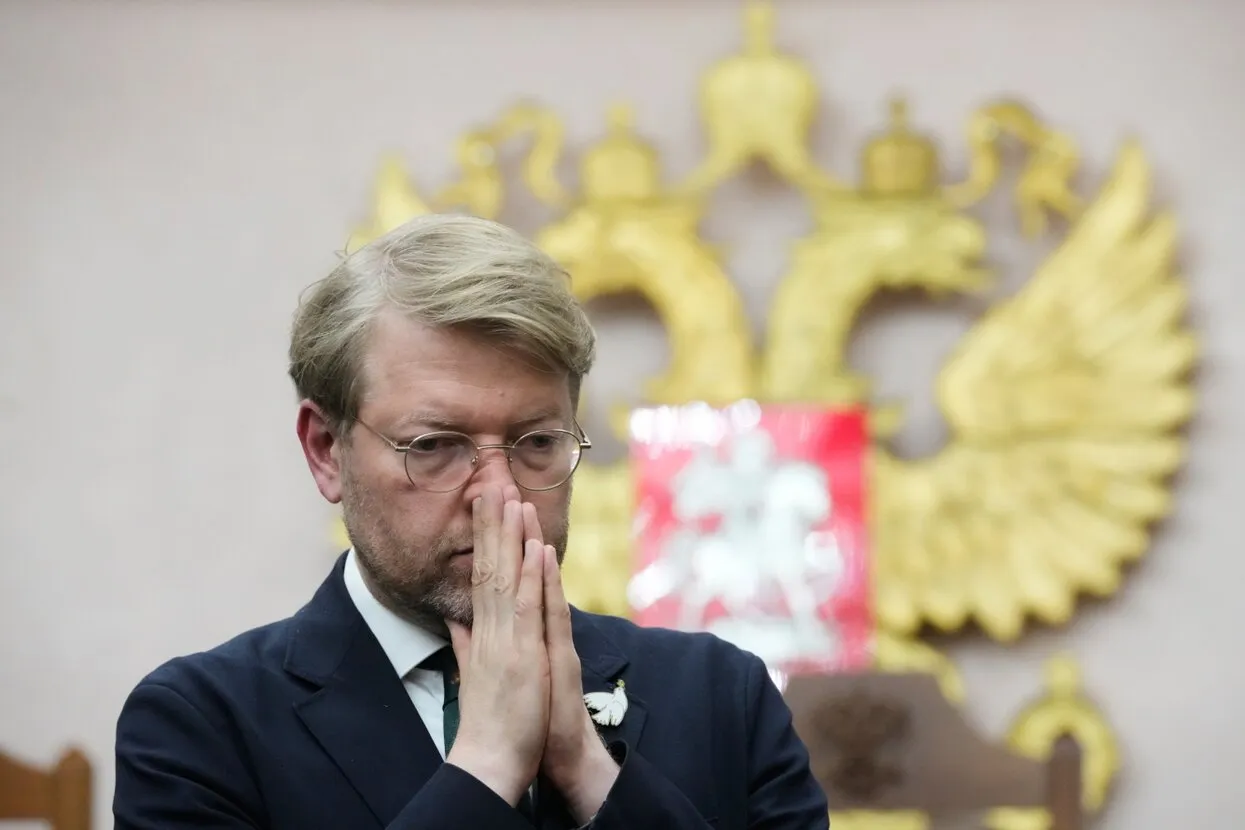
Nikolai Rybakov, Yabloko’s leader, rejected all the accusations. He said Rodina was faulting Yabloko simply for holding political positions and an election platform that differ from the current authorities’ course. “Different parties can’t shape the same public opinion. Citizens have different opinions, and different parties should express them. … I don’t know how to explain to the plaintiff’s representatives that we’re supported by people who don’t want to be killed,” Rybakov said in his closing statement.
The Central Election Commission and the prosecutor’s office backed Yabloko’s removal from the race, citing copyright infringement. The commission also said it had received information that some candidates on Yabloko’s federal list for the State Duma had received foreign funding. Yabloko attributed this to a requirement that candidates sell all foreign securities before the vote. The party also said it had received donations from Russian citizens who had themselves received money from foreign sources.
Hundreds of people came to the Supreme Court to support Yabloko, most of them teenagers and young adults. They ate apples (yabloko means “apple” in Russian), chanted the party’s name, and wrote messages on a sheet of paper, among them “We don’t need Mala Tokmachka,” a front-line village in Ukraine that has been fought over for years. Police watched the crowd. No mass detentions were reported, though riot police took two young women carrying Yabloko leaflets “for a talk” and fined the driver of a car that had been circling near the court playing a song called “Yabloko.” After the court issued its ruling, the crowd began chanting “Shame!” and police ordered the gathering to disperse.
Yabloko was the only party with an antiwar position set to run in the State Duma election. Yulia Navalnaya and many other Russian opposition figures in exile called on people to support it. Yabloko itself disavowed that support, saying the backing only increased the risks to the party under current conditions. Even before Rodina filed its lawsuit, the leaders of every party in Russia’s systemic opposition had come out against Yabloko: the Communist Party, New People, the Liberal Democratic Party, and A Just Russia.
At Meduza, we are committed to transparency about our use of artificial intelligence in the newsroom. The story you’re reading was written by one of our living, breathing journalists and translated from Russian using an AI model configured to follow our strict editorial standards. This translation process is the result of extensive testing and refinements to ensure our English-language coverage is timely and accurate. A Meduza editor reviews every draft before publication.
If you find any errors in this translation, please contact us at reports@meduza.io.
To read Meduza’s exclusive content in English, please subscribe to our newsletter.