Joint investigation maps Russia’s military buildup along its NATO border. Finland could now face 80,000 Russian troops.
Russia has been expanding its military infrastructure along its entire western border throughout the winter of 2025–2026, including along the borders with Finland and Norway, according to a joint investigation by Norwegian broadcaster NRK, Swedish broadcaster SVT, Danish broadcaster DR, and the Estonian news website Delfi. The journalists based their findings on satellite imagery from Planet Labs.
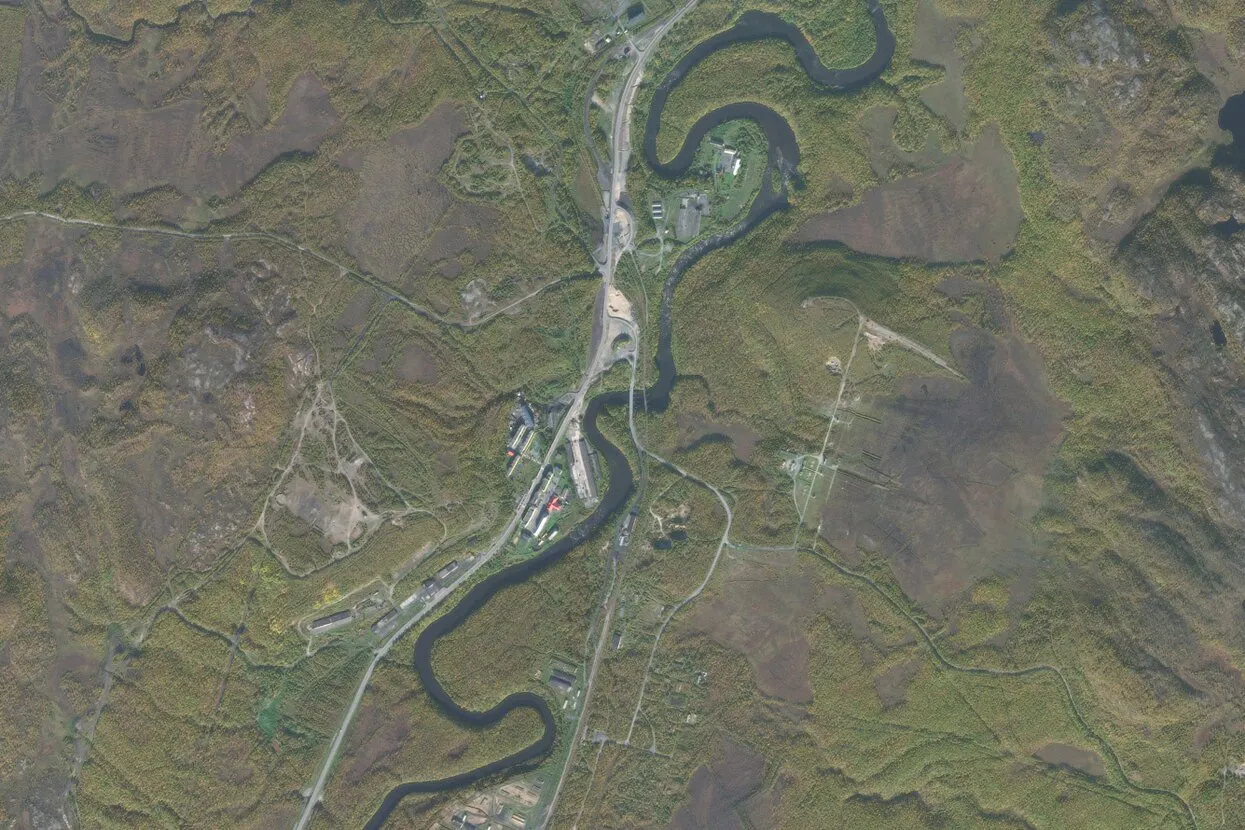
New military barracks are under construction in the Pechenga district of Russia’s Murmansk region, on the border with Norway. Marko Eklund, a former Finnish intelligence officer who monitors military activity in border regions, said the complex could hold up to 17,000 people — two to three times what was there before. Pointing to spring 2026 satellite images, Eklund said Russia is building housing to attract professional soldiers and their families.
Russia has also been expanding along the Finnish border. New military facilities — including barracks and warehouses — have appeared there, along with hundreds of vehicles and other equipment. Finnish Army Commander Pasi Välimäki said Russia could deploy 80,000 troops along the Finnish border — up from roughly 20,000 previously.
Finland’s army numbers 24,000 in peacetime, but the country has a mobilization reserve that could expand its armed forces to 280,000 in wartime.
Eklund said Russia is massing forces along the entire border from the Arctic coast to Kaliningrad. NRK journalists analyzed NASA satellite data on nighttime light levels and found that 16 of the 19 locations on Eklund’s map have grown brighter over the past year.
According to Swedish intelligence, Russia’s armed forces number 1.5 million. Thomas Nilsson, the head of Swedish military intelligence, said Russia has shown it can move troops and equipment quickly across vast distances — and that the Kremlin is preparing for a possible confrontation with NATO.
Brian Nissen, the NATO commander for the Baltic states and Poland, said the threat of direct conflict with the alliance remains low while Russia is fighting in Ukraine, but added that the situation could shift rapidly if a ceasefire is reached.
At Meduza, we are committed to transparency about our use of artificial intelligence in the newsroom. The story you’re reading was written by one of our living, breathing journalists and translated from Russian using an AI model configured to follow our strict editorial standards. This translation process is the result of extensive testing and refinements to ensure our English-language coverage is timely and accurate. A Meduza editor reviews every draft before publication.
If you find any errors in this translation, please contact us at reports@meduza.io.
To read Meduza’s exclusive content in English, please subscribe to our newsletter.